Prior to You Head Out: Pre-Trip Inspection
Never ever wait until you're deep in the backcountry to find your outdoor tents has issues. A quick assessment prior to each trip can save you from a miserable, damp evening.
Check the Seams
Seams are one of the most usual entry point for water. Run your fingers along every joint on the tent body and rainfly. Search for locations where the joint tape is peeling, breaking, or lifting. Also a small gap can let wetness seep in throughout hefty rain. If you find any type of damages, use a joint sealant before your trip and permit it to heal entirely-- generally 24 hr.
Check the Rainfly
Hold the rainfly approximately all-natural light and look for thin spots, small holes, or leaks. Pay attention to edges and locations around zippers, as these places experience the most anxiety. A tiny tear can be patched with a repair kit, but a heavily used fly may need a fresh coat of Durable Water Repellent (DWR) treatment.
Evaluate the Zippers
Stiff or sticky zippers can tear fabric and create gaps that allow water in. Lubricate all zippers with a zipper lubricant or a clean candle wax. Guarantee every zipper opens and closes smoothly without catching or skipping teeth.
After Every Trip: Post-Use Cleaning
What you do after a camping trip has a substantial effect on your camping tent's long-term waterproofing performance.
Dry Completely Before Saving
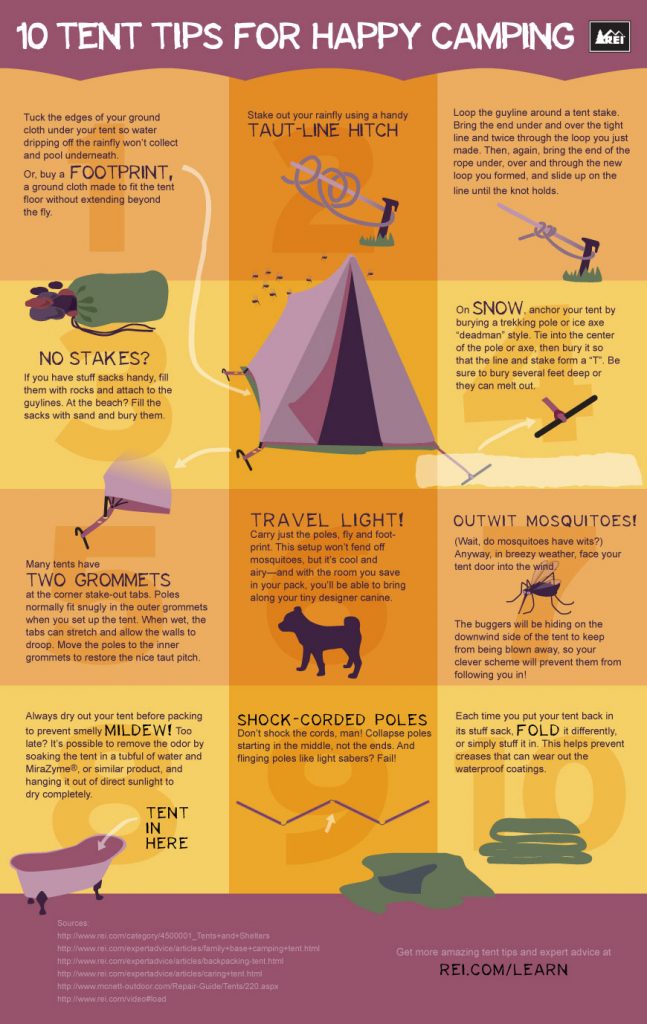
This is non-negotiable. Saving a wet outdoor tents causes mold, which breaks down water resistant finishings and compromises fabric. Set up your tent in a well-ventilated location or outdoors on a completely dry day after each use. Enable both the tent body and rainfly to air out fully-- consisting of the within-- before packing away.
Clean Off Dust and Particles
Mud, tree sap, and sunscreen residue all degrade water-proof layers with time. Utilize a soft sponge or fabric with cold water and a tent-specific cleaner or mild soap to gently clean down the outside. Prevent harsh detergents, bleach, or machine cleaning, as these strip the DWR layer swiftly.
Clean the Interior
Remove any dust, want needles, or debris from inside the tent. Tiny fragments can imitate sandpaper against the flooring finish when packed, triggering abrasion damage over multiple trips.
Seasonal Upkeep: Deep Treatment Regimen
Past standard post-trip care, your tent needs a much deeper maintenance tents on sale session at least as soon as a period, or much more often if you camp routinely.
Reapply DWR Finishing
The DWR covering is what causes water to grain and roll off your outdoor tents material. Over time, it wears down as a result of abrasion, UV direct exposure, and washing. If you notice water saturating right into the material instead of beading up, it's time to reapply. Make use of a spray-on or wash-in DWR product specifically designed for tents. Lightly heat-activate the covering with a tumble dryer on low heat or a cozy iron over a wet towel for ideal outcomes.
Re-seal Seams Every Year
Even if your joint tape looks intact, applying a fresh layer of seam sealer annually includes an added layer of security. Concentrate on high-stress locations: the ridgeline, corners, and anywhere the material is folded up under hardware like buckles or poles.
Examine and Treat the Outdoor Tents Floor
The flooring takes one of the most punishment-- from sharp rocks, origins, and moisture pushing up from the ground. Inspect the urethane finishing on the within the floor. If you observe peeling or a grainy deposit, the covering is falling short and needs to be reapplied with a floor sealer product. Always make use of a footprint or groundsheet to secure the flooring during journeys.
Correct Storage: The Final Action
How you keep your outdoor tents between periods matters equally as much as exactly how you cleanse it.
Stay Clear Of Compression and Heat
Keeping an outdoor tents firmly stuffed in its initial sack for extended periods breaks down the waterproof finishings and harms the textile fibers. Instead, store your outdoor tents freely in a large mesh bag or a cotton pillowcase in a great, completely dry, dark location. Prevent garages or attic rooms where temperature levels change dramatically, as warm speeds up the destruction of waterproof finishings.
Avoid UV Light
Prolonged UV direct exposure is just one of the fastest ways to deteriorate both the material and the DWR layer. Always keep your camping tent out of straight sunlight.
Following this water resistant tent upkeep list continually indicates you'll invest much less cash changing equipment and more time taking pleasure in the outdoors-- completely dry and comfy, whatever the weather throws at you.